How to Listen to a Mozart Symphony
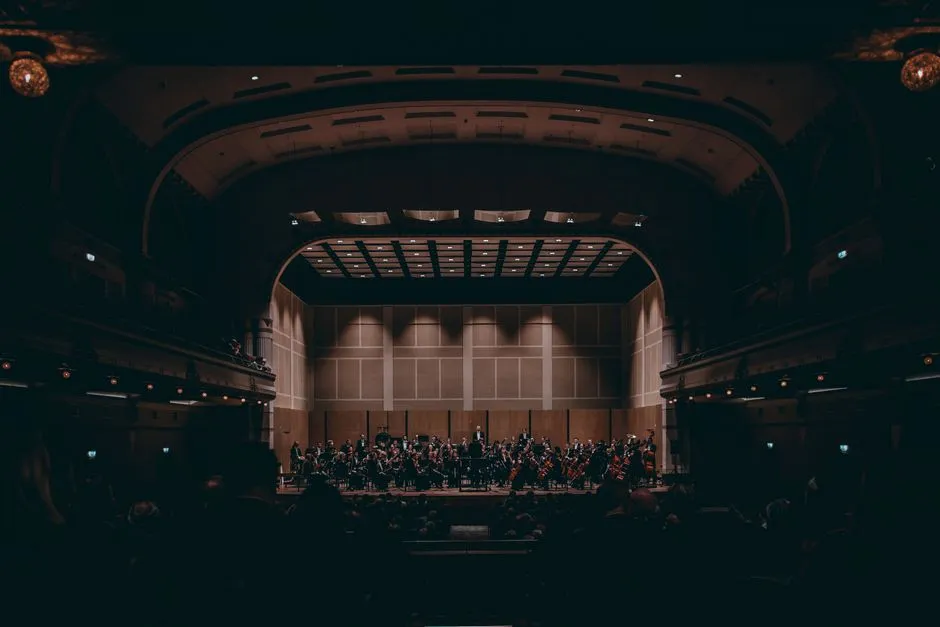
Listen once without trying to pass anything
To listen to a Mozart symphony, begin with one uninterrupted hearing and notice only broad contrasts: fast and slow, loud and quiet, full orchestra and smaller groups, tension and return. On a second hearing, follow one instrument family or recurring idea. On a third, compare how a different performance changes pace, balance, articulation, repeats, and character.
You do not need a score or theory vocabulary for the first pass. The piece was music before it became a diagram with arrows.
Pick one complete work and identify it clearly
Choose a symphony that fits the time available, then confirm its full title or number, key, and Köchel identifier. Track listings can abbreviate aggressively; make sure the selected album contains every movement in order rather than one popular excerpt.
The guide to Mozart's Köchel numbers explains why the KV identifier is useful when titles and numbering vary. The International Mozarteum Foundation's Köchel Catalog Online is an authoritative place to check current core work data.
Use a comfortable volume. A quieter room and undistracted attention reveal more than forcing headphones louder. Protect your hearing, take a break if sound becomes tiring, and never treat pain or ringing as the admission price for orchestral detail.
First pass: follow the landscape
Play the entire symphony without reading along. After each movement, write three ordinary words: perhaps “restless, bright, crowded” or “patient, conversational, shadowed.” There are no official adjectives hiding at the back of the booklet.
Notice beginnings and endings. Does a movement announce itself with the whole ensemble, slip in quietly, or build from a small gesture? When does the music feel settled? When does it avoid settling? Can you sense a return even if you cannot name what returned?
Pay attention to silence and scale. A brief pause can divide thoughts, create suspense, or make the next entrance witty. A full orchestral passage may feel larger because it follows a thinner one, not simply because somebody moved the volume knob toward destiny.
Second pass: choose one thread
On the next hearing, follow a single feature. Strings often carry motion and melody, while woodwinds may answer, color, or briefly take the foreground. Horns, trumpets, and timpani can reinforce weight and articulation where the work calls for them. The exact forces vary by symphony, so listen to the recording rather than checking instruments off a universal list.
Try one of these threads:
- tap the main pulse and notice when its surface rhythm changes;
- hum the first short idea and listen for its return;
- follow the bass line during transitions;
- notice when a wind instrument emerges from the orchestral texture; or
- mark the moment a familiar passage arrives in a different key or color.
One thread is enough. Active listening fails when it becomes simultaneous homework in melody, harmony, form, orchestration, history, and sitting extremely still.
More low-pressure listening methods live in the Listening Room.
Hear conversation, contrast, and return
Mozart's orchestral writing can reward attention to exchange. A phrase may pass between high and low instruments, a wind response may change the tone of a string statement, or a quiet continuation may answer a forceful opening. Ask “who has the idea now?” rather than trying to identify every instrument instantly.
Many movements use recognizable repetitions and returns, but do not assume every movement follows one identical form. Instead, listen for a home area, departure, exploration, and some kind of arrival. If a repeat is taken, use it as a second chance to notice what slipped by—not as the universe accidentally replaying a section.
Slow movements invite attention to breath, phrase length, ornament, and accompaniment. Minuet-like movements can highlight weight and balance in their dance pulse, often with a contrasting central section. Fast finales may play with expectation, interruption, and momentum. These are useful listening prompts, not rules every bar has signed.
Compare two performances with one question
Choose a second recording of the same symphony and compare one movement. Match the Köchel number and movement marking. Then ask one question: Which performance makes the exchanges clearer? Which feels more dance-like? Where does one conductor allow a phrase more space? How do articulation and instrumental balance alter the character?
Avoid declaring speed alone “correct” without examining the edition, repeat choices, performance approach, and evidence. A shorter track may omit a repeat; a longer one may not simply be slower. Credits and booklet notes can explain the ensemble, instruments, conductor, recording date, and edition when provided.
Add the score only when it helps
If curiosity survives—and that is the desired side effect—follow a score on another hearing. The Digital Mozart Edition provides scholarly Mozart resources searchable by title or Köchel number. Begin by following page turns, movement headings, and obvious repeated patterns. Reading every inner note can wait.
End by replaying the passage that most surprised you. No analysis required. Good listening is not a ladder from “casual” to “correct”; it is a cycle in which attention creates questions and questions send you back to sound. The best guide eventually gets quiet enough for the symphony to do the talking.